Introducing the Manufacturing Keys Behind Sugar Cane and Its Diverse Variety of Products
The manufacturing journey of sugar cane is intricate and multi-faceted. It begins in the areas, where careful harvesting methods set the phase for perfect sugar removal. The procedure entails numerous stages, consisting of juice extraction and refining - sugar cane products. Sugar cane's potential extends much beyond plain sweetness. Technologies in processing and sustainable techniques are reshaping its duty in modern sectors. What exists in advance for this flexible plant? The answers may amaze those curious about its future
The Trip of Sugar Cane: From Field to Manufacturing facility

As sugar cane guides delicately in the exotic wind, it begins a transformative trip from field to manufacturing facility. The dynamic eco-friendly stalks, rich in sucrose, are grown under perfect conditions, profiting from sufficient sunlight and rains. Farmers very carefully keep track of the development, making certain the plants reach their peak maturation, which is essential for making best use of sugar content.Once matured, the cane is prepared for harvesting, where its coarse structure holds the promise of pleasant products. The trip proceeds as the stalks are transferred to processing centers, where they go through a collection of thorough steps. At the manufacturing facility, the cane is cleaned, shredded, and pressed to remove the juice. This juice is after that cleared up and evaporated, leading the way for condensation. Each stage of this journey is vital, as it eventually determines the high quality of the sugar and various other items originated from this functional crop.
Collecting Strategies: The Initial Step in Production
Gathering sugar cane calls for accuracy and ability, as the timing and method directly affect the high quality of the last product. The procedure typically starts with determining the ideal harvest time, which is vital; sugar material comes to a head right before the plant reaches full maturation. Cultivators commonly count on experience and agricultural signs to decide when to harvest.Two primary strategies control the gathering landscape: handbook and mechanical methods. Manual harvesting, though labor-intensive, permits careful selection of stalks and minimizes damages. Workers utilize machetes to cut the cane near to the base, making sure the stalks continue to be intact for processing.Mechanical harvesting, on the other hand, makes use of customized equipment to cut and collect the cane quickly. While this technique greatly boosts effectiveness, it might lead to greater levels of debris and lower sugar web content. Ultimately, the selected method influences not just the amount however additionally the quality of sugar cane provided to refining facilities.
The Removal Refine: Opening the Sweetness
The extraction process is important for changing harvested sugar cane right into pleasant juice. Various techniques of juice removal can substantially affect the top quality and return of the last item. Recognizing these strategies is important for maximizing the advantages of sugar cane manufacturing.
Collecting Strategies Discussed
Launching the sweetness of sugar cane starts with exact harvesting methods that assure optimal yield and high quality. The procedure normally involves cutting the cane at ground degree, making certain marginal damages to the plant and enabling regrowth. Farmers commonly make use of machetes or specialized devices, depending on the scale of the operation. Timing is essential; gathering happens when the sugar material reaches its peak, usually during completely dry seasons. In addition, workers need to be trained to determine the most effective stalks, preventing those that are as well old or infected. Effective transport to refining facilities is also necessary, as delays can lead to sugar degradation (sugar cane products). These precise methods ultimately lay the structure for producing high-quality sugar and its varied spin-offs
Juice Extraction Methods
Juice extraction is an important action in transforming sugar cane into its pleasant significance. This procedure typically involves numerous techniques, each made to successfully extract the sweet liquid from the coarse stalks. One of the most typical method is milling, where the sugar cane is smashed in between heavy rollers to release the juice. An additional approach is diffusion, which utilizes hot water to dissolve the sugar from the cane fibers, making it a more efficient choice for large operations. Additionally, some producers make use of screw presses, which apply mechanical pressure to essence juice. After extraction, the juice goes through explanation to remove contaminations prior to more handling. Each approach shows the sector's focus on taking full advantage of yield and making sure top quality sugar manufacturing.
Refining Sugar: Transforming Raw Cane Into Granulated Gold
The refining procedure is important for converting raw cane sugar right into the pure, granulated product customers acknowledge. sugar cane products. This entails a collection of removal and purification steps to eliminate pollutants, complied with by crystallization and drying out strategies that boost the sugar's high quality. Comprehending these methods discloses the intricate change from cane to the golden granules that sweeten plenty of foods and drinks
Extraction and Filtering Refine
A vital phase in the sugar manufacturing journey involves the extraction and filtration of juice from fresh collected sugar cane. This process starts with squashing the cane to launch its sweet juice, usually using huge rollers or mills. The removed juice has not just sugar yet also impurities, including fibers and mud. To ensure the juice is suitable for additional refining, it undertakes a filtration procedure. This entails passing the juice via numerous filters and clarifiers to eliminate strong bits and unwanted products. Chemicals such as lime might be included in help in the explanation procedure. The result is a clear, raw cane juice that acts as the foundation for creating polished sugar, prepared for succeeding stages of processing.

Condensation and Drying Methods
After the extraction and purification processes yield clear raw cane juice, the following action in sugar manufacturing is crystallization. This procedure entails steaming the juice to vaporize water, allowing sugar particles to form crystals. As the liquid thickens, it gets to supersaturation, prompting sugar to crystallize. The blend is after that cooled, promoting further crystal development. When condensation is full, the sugar crystals are separated from the remaining syrup with centrifugation.The last stage entails drying, where the crystals are exposed to warm air to get rid of recurring moisture. This action is necessary, as it assures the item achieves the wanted granulation and rack stability. The result is pure, granulated sugar, prepared for product packaging and circulation.
Past Sweet Taste: Diverse Products From Sugar Cane
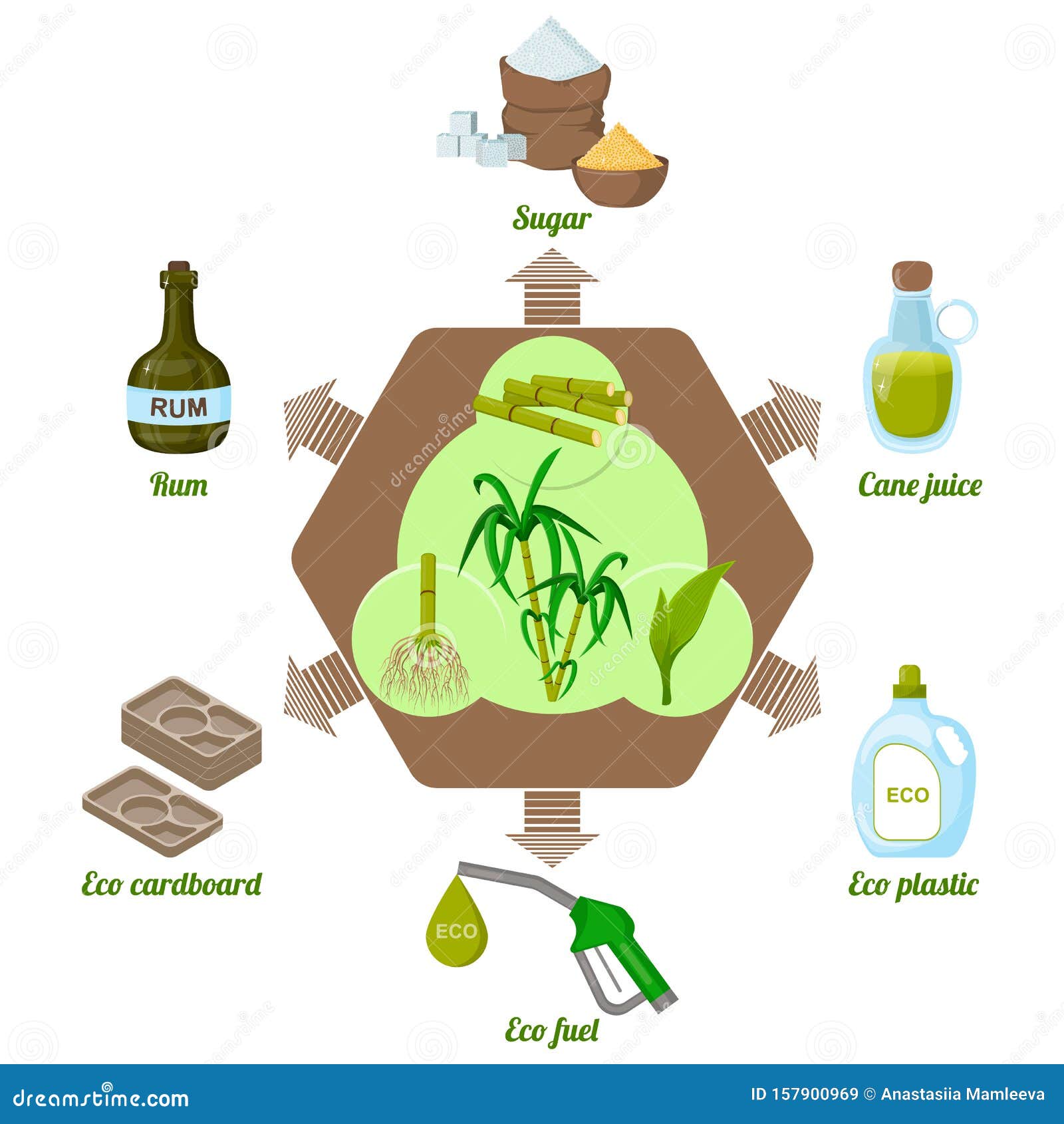
While sugar cane is mostly acknowledged for its pleasant flavor, its Read Full Report adaptability expands far past mere sweet taste. This durable plant acts as the source for a myriad of products that deal with varied industries. Ethanol, stemmed from sugar cane fermentation, plays an important duty in renewable resource, serving as a cleaner option to fossil fuels. Furthermore, molasses, a byproduct of sugar refining, is made use of in animal feed, in addition to in baking and fermentation processes.Sugar cane's coarse deposit, called bagasse, is not wasted; it is changed into naturally degradable product packaging products and functions as a biomass gas source. Additionally, various sugars and syrups acquired from sugar cane discover applications in the food and beverage industry, adding to flavor and conservation. The plant's fallen leaves can be utilized for thatching, while its juice is consumed as a rejuvenating drink in several societies. Subsequently, sugar cane exhibits farming capacity beyond its sweet online reputation.
Innovations in Sugar Cane Handling
As innovations in modern technology proceed to improve different sectors, sugar cane processing is experiencing a considerable change. Modern advancements, including automated harvesting and precision agriculture, are improving performance and yield. Drones and sensors keep track of crop health and wellness, enabling farmers to optimize irrigation and nutrient application, inevitably enhancing productivity.In processing centers, advanced equipment and equipment simplify procedures. Technologies such as chemical handling and advanced purification techniques boost the removal of sugar you could try these out while reducing waste. On check that top of that, the fostering of real-time data analytics makes it possible for makers to monitor procedures carefully, making certain quality control and reducing downtime.Biotechnology is likewise playing an important function; genetic engineerings boost sugar cane's resistance to insects and ecological stressors. These innovations not only add to greater sugar returns but likewise facilitate the manufacturing of varied by-products from the cane, broadening its commercial applications. Overall, these developments are paving the method for a more efficient and lasting sugar cane handling industry.
The Future of Sugar Cane: Sustainability and Bioproducts
The future of sugar cane manufacturing is significantly linked with sustainability and the growth of bioproducts. As worldwide need for environment-friendly choices increases, the sugar cane industry is rotating in the direction of methods that decrease ecological influence. Innovations in cultivation techniques, such as accuracy agriculture and integrated bug monitoring, purpose to boost yield while decreasing resource consumption.Furthermore, sugar cane is being explored as a resources for biofuels, bioplastics, and other sustainable items. These bioproducts not only supply an eco-friendly choice to standard nonrenewable fuel sources and plastics yet likewise contribute to a round economy by utilizing waste materials.Research and development in biotechnology are leading the way for improved sugar cane varieties that call for less water and fertilizers, additionally advertising sustainability. By welcoming these improvements, the sugar cane sector can safeguard its future while dealing with important environmental challenges, demonstrating its possible as a cornerstone of lasting development.
Frequently Asked Inquiries
What Are the Ecological Impacts of Sugar Cane Farming?
The ecological impacts of sugar cane farming include deforestation, dirt deterioration, and water contamination. In addition, making use of pesticides can damage biodiversity, while monoculture techniques lower ecosystem resilience, positioning long-lasting sustainability challenges for agricultural techniques.
Just How Does Sugar Cane Contrast to Various Other Sugar Nutritionally?
Sugar cane, rich in carbs, supplies power but does not have vital nutrients compared to alternatives like honey or syrup, which use nutrients. Its high glycemic index likewise raises concerns over blood sugar level spikes.
What Are the Health And Wellness Advantages of Consuming Sugar Cane Products?
The health and wellness benefits of consuming sugar cane products consist of improved digestion, boosted energy degrees, and possible antioxidant residential properties. In addition, they might sustain hydration and offer important minerals and vitamins, adding favorably to overall wellness.
Exactly How Is Sugar Cane Waste Utilized After Handling?
After handling, sugar cane waste is utilized in different methods, including biofuel manufacturing, animal feed, and organic fertilizers. This lasting strategy minimizes environmental effect while maximizing source effectiveness within the sugar industry.
What Are the Historic Origins of Sugar Cane Growing?
